White Rhinoceros (southern white rhinoceros)
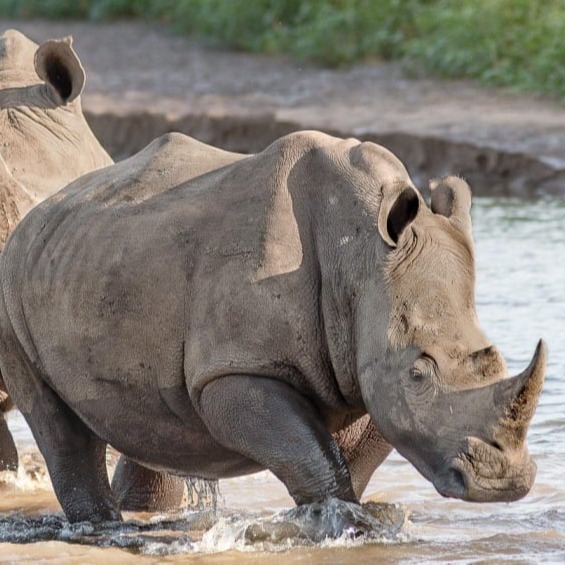
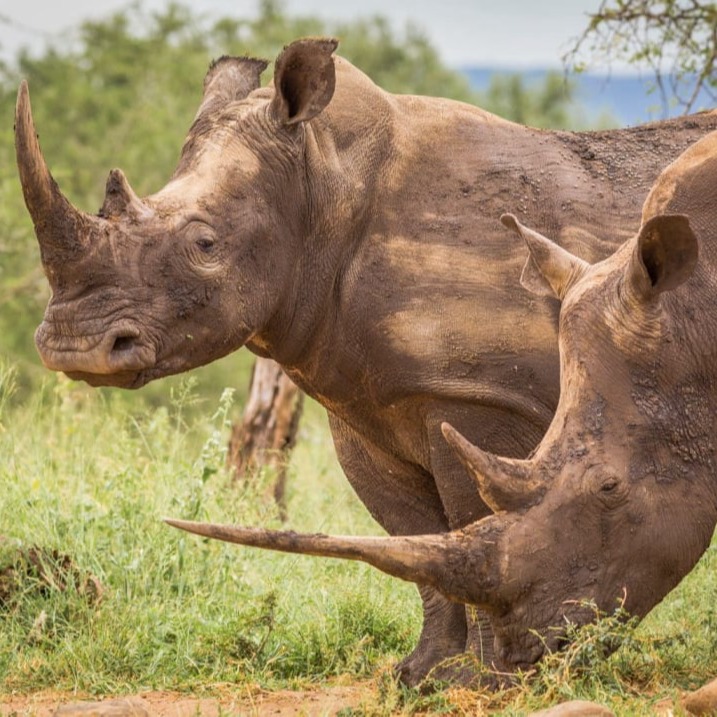
• Feeding ecology: White rhinoceroses are primarily grazers, specialising in short grasses. Their wide, square muzzle is adapted for cropping grass close to the ground.
• Social structure: They can be relatively social compared with black rhinoceroses, with females and subadults often seen in small groups. Adult males tend to be more territorial.
• Conservation importance of the park: Hluhluwe iMfolozi Park is widely referenced as one of the most important strongholds for the southern white rhinoceros and is described as the genetic home of the white rhinoceros in official park information.
Black Rhinoceros
• Feeding ecology: Black rhinoceroses are primarily browsers, feeding on leaves, shoots, and woody shrubs. Their pointed, prehensile upper lip helps them grasp vegetation.
• Behaviour: They are typically more solitary and can be more reactive to disturbance than white rhinoceroses.
• Why they matter here: Conservation organisations highlight the park as an exceptionally important refuge for black rhinoceroses, including strong population density relative to many other protected areas.
African buffalo
• Feeding ecology: Buffalo are bulk grazers that favour productive grassland and often stay within reach of water.
• Herd dynamics: Herd size and structure shift with seasons and local conditions. Larger herds may form around good grazing and reliable water, while smaller groups may split off.
• Ecological role: Buffalo help shape grassland structure through intense grazing pressure and are important prey for lions.
Lion
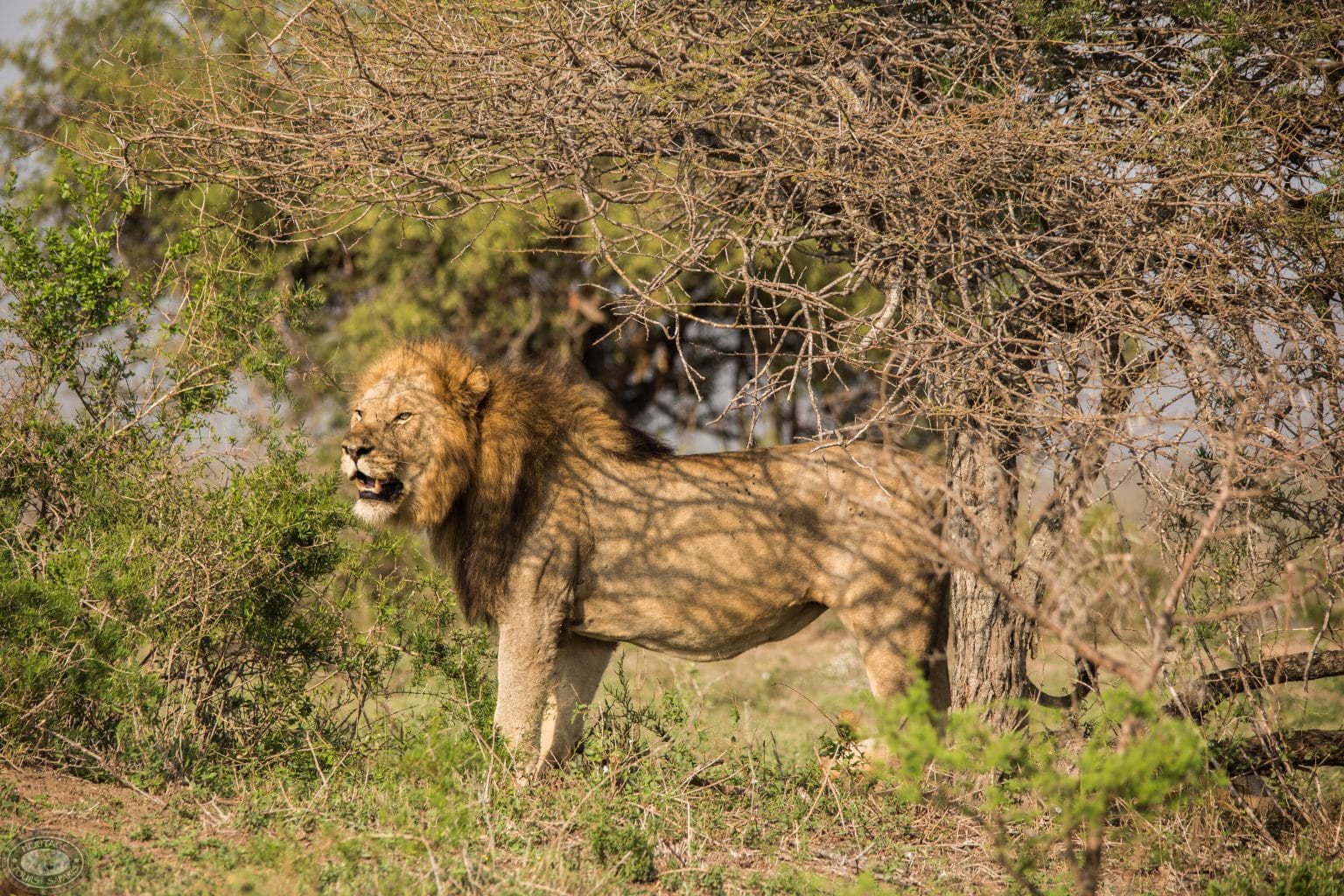
• Social predator: Lions are the most social of the large cats, living in prides that typically include related females, their offspring, and one or more adult males.
• Hunting: They use ambush and group strategy, often hunting at night or during cooler periods.
• Ecological role: As apex predators, lions influence prey behaviour and can indirectly shape grazing patterns and habitat use.
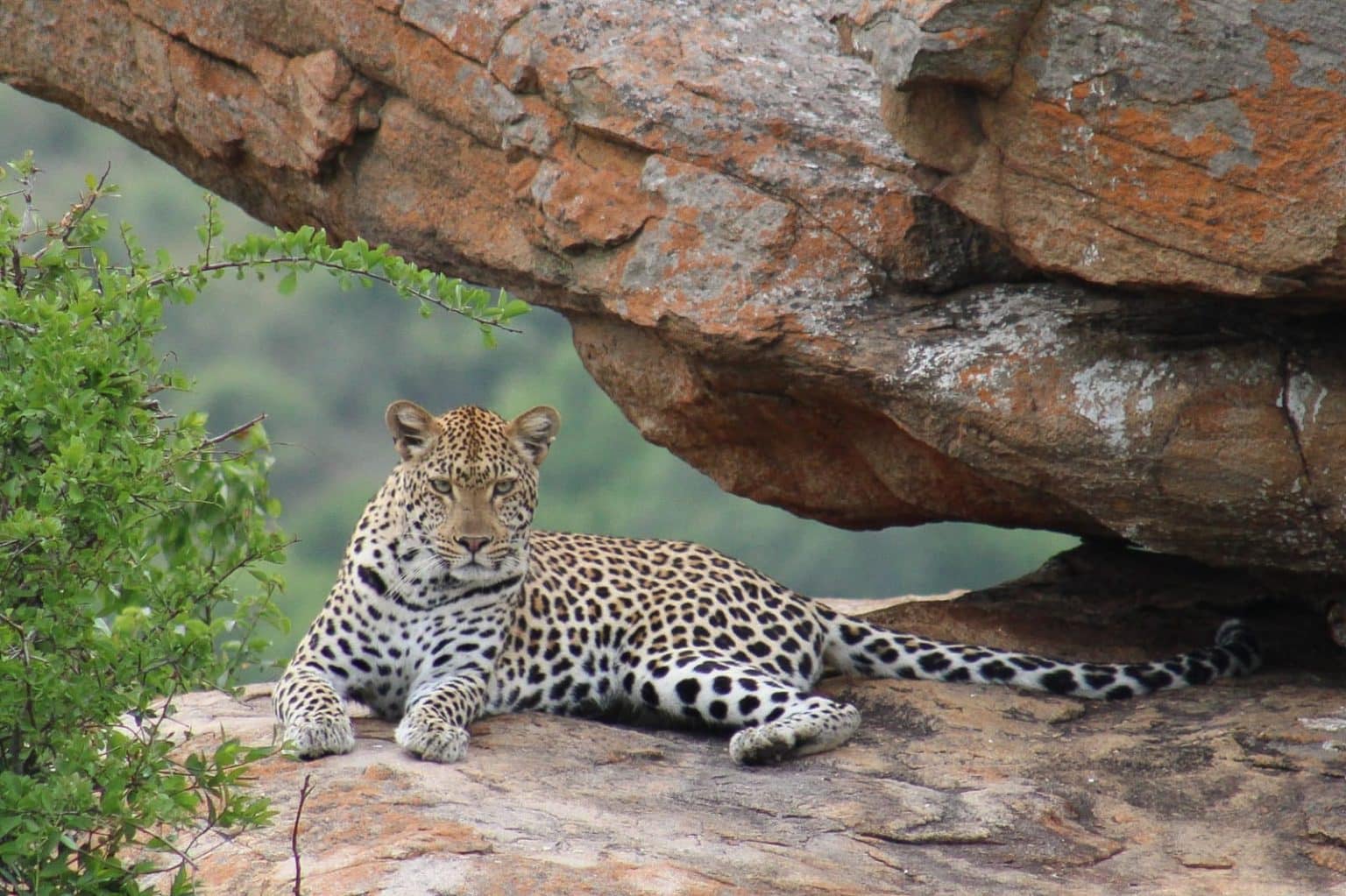
Leopard
• Solitary and adaptable: Leopards are typically solitary, territorial cats that thrive in a range of habitats, including woodland and riverine areas where cover supports ambush hunting.
• Diet: Opportunistic, feeding on prey from small mammals and birds up to medium-sized antelope, depending on local availability.
• Behavioural note: Leopards are often less visible than lions or cheetahs because of their solitary habits and preference for thick cover.
Cheetah
• Speed specialist: Cheetahs are built for short, high-speed chases on open ground. Their hunting success relies on a burst of speed followed by rapid recovery.
• Habitat preference: They are most associated with more open habitats where visibility helps them stalk and sprint.
• Conservation context: Cheetahs are noted among the park’s flagship predators in conservation-focused descriptions of the area.
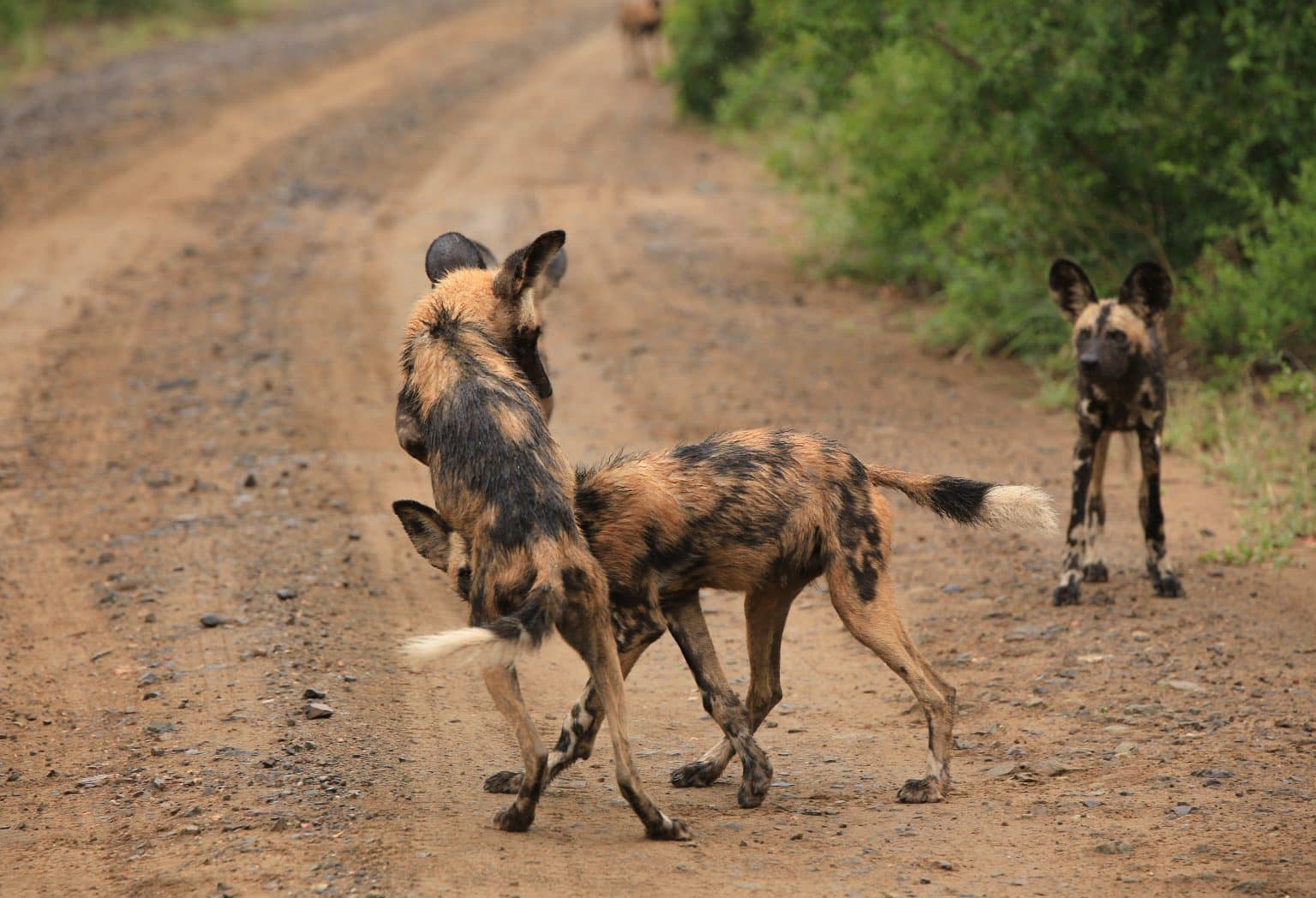
African Wild Dog
• Pack hunter: African wild dogs live in cooperative packs with strong social bonds. They hunt using endurance and coordination, often covering long distances.
• Reproduction and pack structure: Typically, one dominant breeding pair produces most pups, with other pack members helping raise them.
• Conservation importance: Wild dogs are considered a priority conservation species across Africa due to habitat fragmentation, disease risk, and conflict outside protected areas. Conservation organisations specifically highlight Hluhluwe iMfolozi Park as a place where wild dogs occur and where protected habitat contributes to their persistence.